Culture
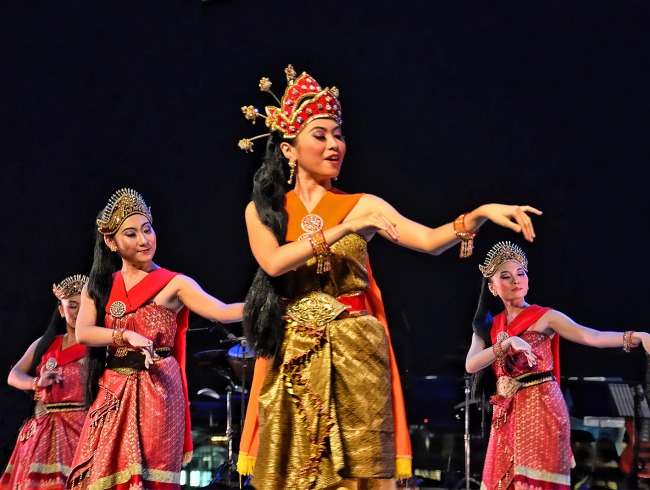
Culture of Singapore is a melange of Malay, South Asian, Southeast Asian and Eurasian culture and influences. The quintessential cosmopolitan, Singaporean culture has transformed greatly over the years. The indigenous culture of Singapore was originally influenced by Austronesian people who arrived here from Taiwan. During the course of many years, Singapore's culture was further influenced and inspired by multiple Chinese dynasties and other Asian countries which has eventually given shape to the eccentric and striking Singaporean culture that we see today.
Religion
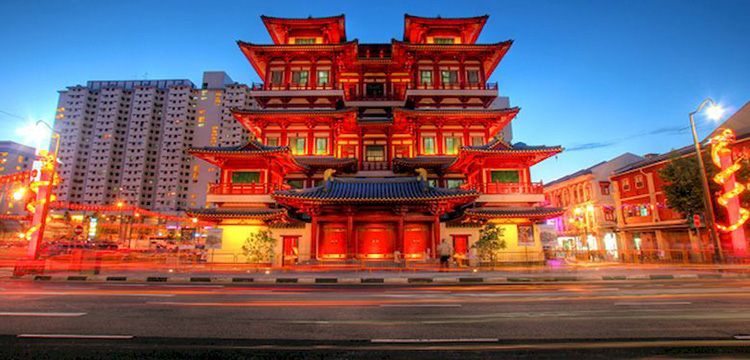
Chinese Buddhism happens to be the major religion in Singapore, owing to the large population of Southern Chinese immigrants and their descendants. Hinduism is also prevalent, being the faith of those with South Indian heritage. Christianity is growing quite exponentially as a belief system, and many young Singaporeans are leaning towards it.
pop culture
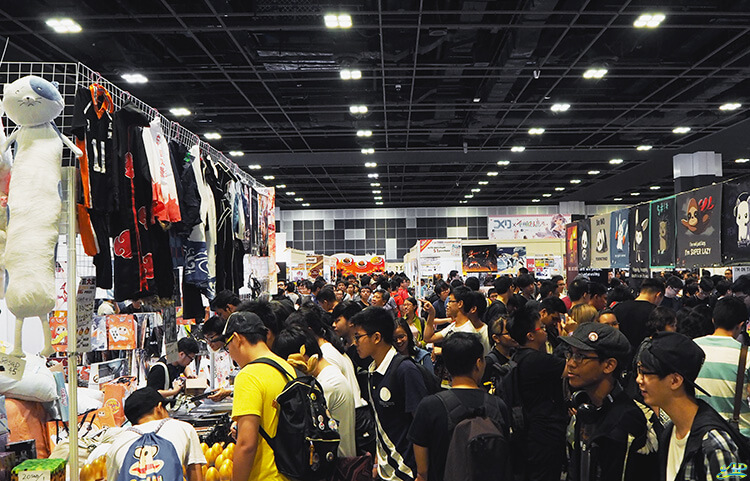
Besides traditional culture, pop culture is huge in our city. Our arts scene is thriving, with many exhibitions, concerts and festivals—such as Singapore Art Week and the Singapore Writers Festival—that will fuel your own imagination. Even smaller sub-cultures have found their nook in Singapore. Anime devotees congregate at the C3AFA Anime Festival Asia, comic book geeks trade fan theories at the Singapore Comic Con, and comedy nuts go wild at the many stand-up nights around town, like Comedy Masala. No matter how niche or novel your interests are, you’ll encounter a city filled with people who share them.
language
Singapore has four official languages – English, Malay, Tamil and Mandarin Chinese. Being a former colonial country, English is the most commonly spoken and written language. It is the lingua franca in Singapore and therefore the de facto language used in public service and administration, trade and commerce and in the judicial system. In writing, Singapore follows British English. However, the spoken colloquial version of Singaporean English is locally called “Singlish”. Although Malay is the national language of the country, only 15-17% Singaporeans speak the language. It is officially present in the Singaporean national anthem, in military commands and in orders and citations only. Most people in the country are bilingual - they can speak reasonably good English and one of the three other languages as their mother tongue.
Arts & Craft
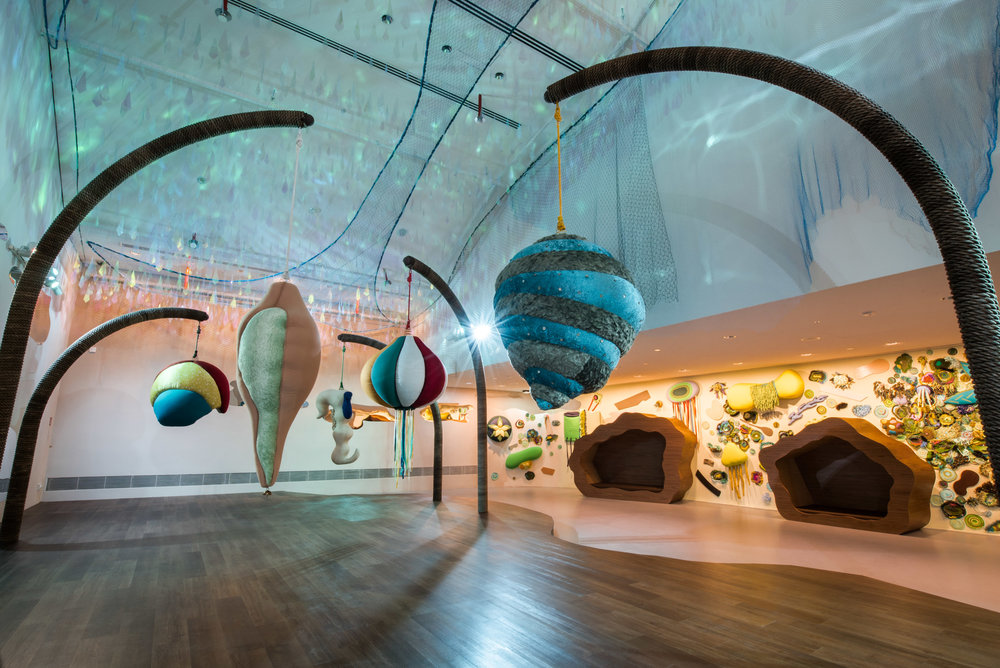
There are a number of museums, art galleries and musical orchestras to celebrate the artistic culture of Singapore. National Gallery Singapore is the flagship museum with more than 8,000 works of South Asian artists. Other important names are Singapore Art Museum which focuses on contemporary art and Red Dot Museum with its love for paintings of mundane, everyday objects. In music, Singaporeans love folk, pop, rock and classical. The musical scene is spearheaded by Singapore Symphony Orchestra, established in 1979, with its chief venue at Esplanade Concert Hall. The Esplanade- Theatres on the Bay is the nation’s largest platform for the celebration of performing arts.
Singapore's Cuisine
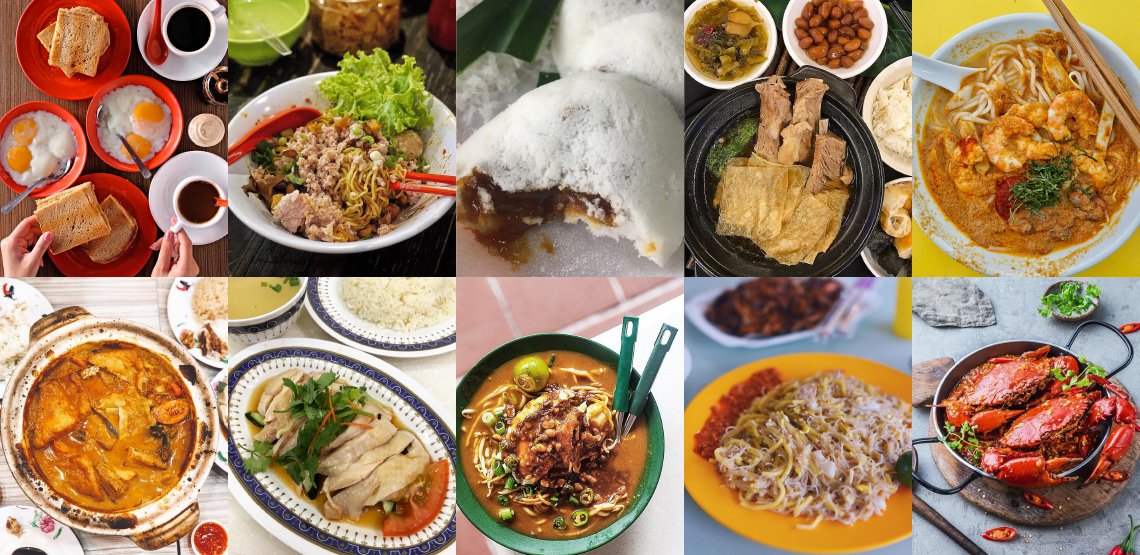
Singapore is not a cheap place to live, but a very pocket-friendly place to eat. From the street stalls to alfresco cafes to the high-end restaurants, this country lives and breathes delicious, mouth-watering recipes. Chinese, Indonesian, Indian and Malay dishes are most common, although being a cosmopolitan hub, Singapore serves all kinds of cuisines. Hawker Centres are a particular speciality of Singapore, where a wide variety of flavours are available to be enjoyed in mostly open-air communal seating. Although the idea of hawker centres are rooted in Singapore’s unparalleled street food heritage, the largest of the centres, which sits on the second floor of Chinatown Complex, is home to the world’s cheapest Michelin-starred meal at only SGD 2 – a plate soy-sauce chicken rice or noodles. Seafood, pork or lamb skewers and noodle-and—broth-based dishes are most in demand. Laksa is the common street food, which is basically a bowl of vermicelli noodles with prawns or fishcakes. Among drinks, Tiger beer is a popular choice for drinkers and teetotallers love The Tarik – the traditional Singaporean black tea with milk, made by aerating it between two cups. One thing to know about eating out in Singaporean restaurants is that tipping is not a custom. Most places include a 10% service charge and the country is known for paying its servers at minimum wage rate. Leaving tips is frowned upon and might be misinterpreted.